Get the benefits of a traditional car allowance (without the taxes). Save your company and people money.
Customized vehicle reimbursement programs that provide equitable payments regardless of mileage and costs.
Ensure the safety of your organization & employees with insurance verification, MVR checks, the Safe Driver Program, and more.
Provide employees with the most flexible and customizable mileage tracking app that protects their privacy.
mBurse technology streamlines the reporting and approval process. You can manage your mileage approvals and reporting at your fingertips.
Learn about our client's journey and road map to success with mBurse services.
Extensive research and visual guides on vehicle reimbursement solutions, mileage tracking, car allowance, risk, FAVR etc.
The most comprehensive guides on vehicle reimbursements, mileage tracking, and designing the best vehicle reimbursement solutions.
Find out how much you can save using our solutions.
Insights, updates, and the latest on vehicle reimbursements.
Our consultative approach results in the right solution every time.
Our leadership team is behind our solutions and services.
Reach out to a vehicle reimbursement expert or a support member.

Changing a business vehicle policy can affect employee pay expectations, job routines, mileage tracking, vehicle costs, taxes, and driver compliance. That is why employers should treat a company car,...
Sales reps often rely on personal vehicles to visit prospects, meet customers, cover territories, and build long-term relationships. When reimbursement does not reflect the real cost of business...
A company vehicle can be a valuable employee benefit, but personal use of a company car creates tax and reporting responsibilities for employers. When an employee uses a company-owned or...
Many employers use cents-per-mile reimbursement to pay employees for business use of a personal vehicle. It is simple, familiar, and easy to calculate. But when employees drive different mileage...
Mileage logs are necessary when employers reimburse employees for business driving, but not every mileage log creates the same level of cost control.
Manual mileage logs, spreadsheets, and...
Vehicle reimbursement is often treated as a small part of the travel and expense budget, but it can create meaningful cost, tax, compliance, and administrative impact when employees use personal...
Each year, the IRS updates rules and limits that affect Fixed and Variable Rate reimbursement programs, also known as FAVR auto plans. For 2026, employers should review the maximum standard...
Company cars can be valuable for employees who need reliable vehicles for business, but they can also create high fixed costs, fuel expenses, insurance exposure, maintenance needs, administrative...
You don’t have to overpay to reimburse your employees – unless you’re paying the IRS standard mileage rate. With ease comes a price, but there are alternatives.
Adding a fuel card or fuel reimbursement to a car allowance may seem like an easy way to help employees with rising gas costs. But fuel cards can also create cost, tax, policy, and documentation...
A company vehicle program is easier to manage when the right tools support the right policy. Employers need more than a vehicle list or mileage log. They need a way to track business and personal...
Creating an IRS-compliant mileage tracking form starts with one goal: documenting business vehicle use clearly enough to support reimbursement, tax treatment, and internal review. A mileage log...
Rising car insurance costs can affect every type of business vehicle plan, including company cars, car allowances, mileage reimbursement, and FAVR reimbursement.
Employers should not treat insurance...
There are dozens of vendors advertising mobile apps designed to track business mileage. How do you compare these competing companies to choose the right mileage app for your organization?
A mileage log can do more than support reimbursement. When mileage data is complete, timely, and easy to review, it can help employers understand how business travel supports field activity, route...
A fair and compliant vehicle reimbursement policy should do two things: reimburse employees appropriately for business use of a vehicle and document the program in a way that supports tax, labor, and...
Many companies pay the same car allowance or mileage reimbursement rate to every employee who drives for work. That approach is simple and easy to explain, but it may not always be fair.
Employees...
Sales organizations often treat a car allowance as a predictable compensation expense. For field sales teams, however, the design of that allowance can also affect how well the program supports...
We frequently receive questions about auto allowance policies that could be helpful to other organizations. Here's a great question we received a couple of years...
A vehicle reimbursement budget can drift away from its original assumptions even when the company’s reimbursement policy has not changed. Employee headcount, business mileage, territories, vehicle...
Your employer may provide you with a car allowance or a mileage reimbursement to pay for the business use of your personal vehicle. If your job requires you to use a vehicle to carry out...
Many organizations pay a mileage rate to reimburse workers for using a personal vehicle. But what does mileage reimbursement cover, and how do you know it accounts for all reimbursable vehicle...
A car allowance should not remain unchanged simply because it is easy to administer. Employee mileage, territories, vehicle costs, tax treatment, and business requirements can change while the...
Employers often ask how much auto insurance employees should carry when they use personal vehicles for work. There is no universal coverage limit that fits every organization.
The appropriate...
Mileage reimbursement is a way to recognize the efforts of employees who use their vehicles for work. A lot of confusion surrounds determining mileage rates and reimbursable expenses. This guide will...
A fair car allowance should be based on the vehicle costs employees reasonably incur while driving for work—not a competitor’s payment, a national average, or an amount carried forward from an old...
With inflation still keeping prices high, is it time to increase your car allowance? If you have not reviewed yours in the last three years, it may be time to reassess whether the amount still...
When employees use personal vehicles for work, auto insurance becomes both a risk-management issue and a vehicle-reimbursement consideration.
Employees typically carry personal auto insurance whether...
When employees use a personal vehicle for work, employers should set clear auto insurance requirements, verification procedures, and driver safety expectations. A compliant driver program helps...
A car allowance may look simple from the employee’s perspective: the company adds a fixed payment to each paycheck. Behind that payment, however, several teams may be responsible for eligibility,...
A car allowance can affect more than an employee’s monthly paycheck. For employees who regularly use personal vehicles for work, it may shape how they view the role, the company’s expectations, and...
Vehicle reimbursement policies affect more than payroll. They can influence employee experience, recruiting, manager workload, business travel, risk management, budgeting, and the organization’s...
Mobile work has made vehicle pay one of the most audited and disputed employee expense categories because a single policy can either absorb tax waste or create avoidable employee friction. For...
How much do most businesses pay for mileage reimbursement? The IRS business mileage rate is a common benchmark, but it is not the same as the average rate every employer pays. The right mileage...
Every year, the IRS releases standard mileage rates for tax deduction and reimbursement purposes. Many businesses use the federal business mileage rate to reimburse employees who use personal...
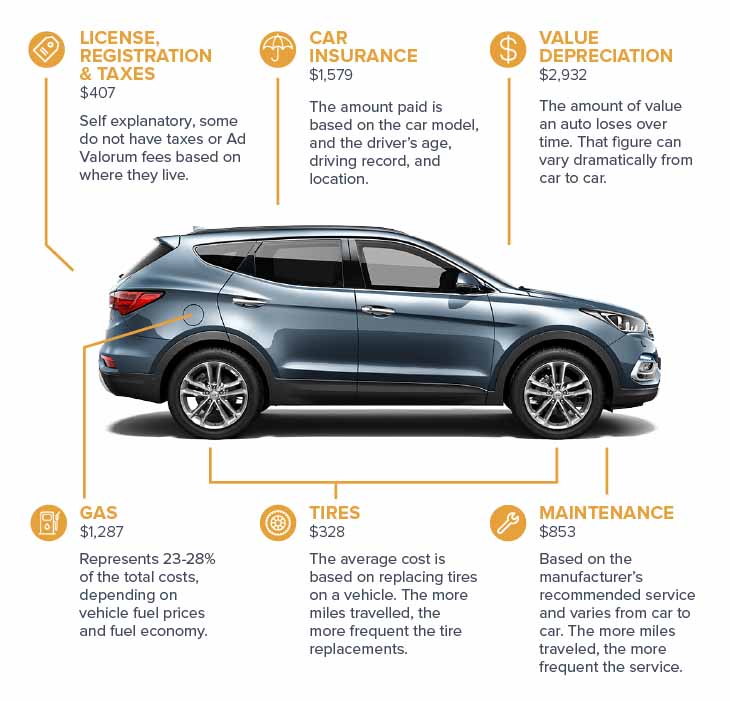
A company fleet costs more than the amount spent to purchase or lease vehicles. Employers must also account for depreciation, insurance, registration, fuel, maintenance, personal use, administration,...
How do you know if your company vehicle allowance amount is fair to employees? The answer is not to compare it to the average number of vehicles nationwide.
Calculating a fair vehicle reimbursement amount is not as simple as multiplying a mileage rate by miles driven. This is because paying employees an equal rate is not equitable.
Car reimbursement should be accurate, fair, tax-efficient, and financially sustainable. A program that is too simple may create tax waste, overpay some employees, underpay others, or add unnecessary...
When employees use personal vehicles for work, employers may consider adding a fuel card or fuel reimbursement to help with rising driving costs. That can feel simple, but fuel-only payments rarely...
Employee turnover can be expensive, especially in sales, service, healthcare, field operations, and other mobile roles where employees manage customer relationships and drive revenue. If employees...
Paying an equal car allowance or mileage rate has long been the norm. But today's economy requires a different approach. It starts with a standardized vehicle.
Most businesses experience both fixed expenses and variable expenses. Knowing the difference is important, especially if your organization reimburses employees for their business vehicle expenses.
If employees use personal vehicles for work in California, a standard monthly car allowance may not be enough.
California Labor Code Section 2802 requires employers to reimburse employees for...
If your company pays for employees’ gas, a fuel card can quickly become difficult to manage. Without clear controls, fuel cards may create problems with costs, fairness, and reimbursement, especially...
With a significant portion of today's workforce working remotely, a responsive business vehicle program is essential. The secret is to start with a standardized vehicle, not a standardized rate. This...
Designed to answer mobile workforce questions impacting your organization.